

Study in South Korea
Technology, culture and national universities
- Tuition, all levels
- Ask us
- Living costs
- Ask us
- Bachelor’s length
- 4 years
- Main intakes
- March (Spring), September (Fall)
- 20 universities

Why South Korea?
-
National universities
The universities we list are national (public) universities in Seoul and in regional cities.
-
Korean or English
Many programs are taught in Korean and ask for TOPIK; some are taught in English. We check the language of each program.
-
Government scholarship
The Global Korea Scholarship (GKS) is run by the Korean government through NIIED. Places are limited and competitive.
-
Spring and Fall starts
The academic year starts in March, with a second intake in September.
20 universities
-
 Seoul National University
Seoul · Public
Ask us
-
 University of Seoul
Seoul · Public
Ask us
-
 Pusan National University
Busan · Public
Ask us
-
 Kyungpook National University
Daegu · Public
Ask us
-
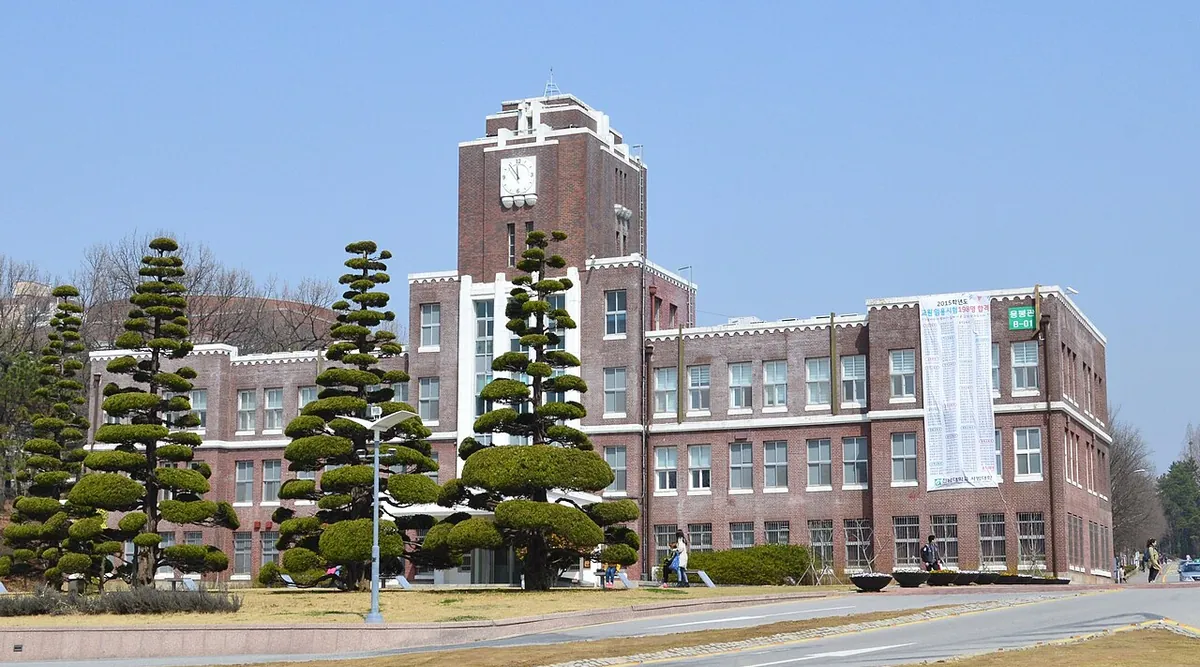 Chonnam National University
Gwangju · Public
Ask us
-
 Chungnam National University
Daejeon · Public
Ask us
-
 Chungbuk National University
Cheongju · Public
Ask us
-
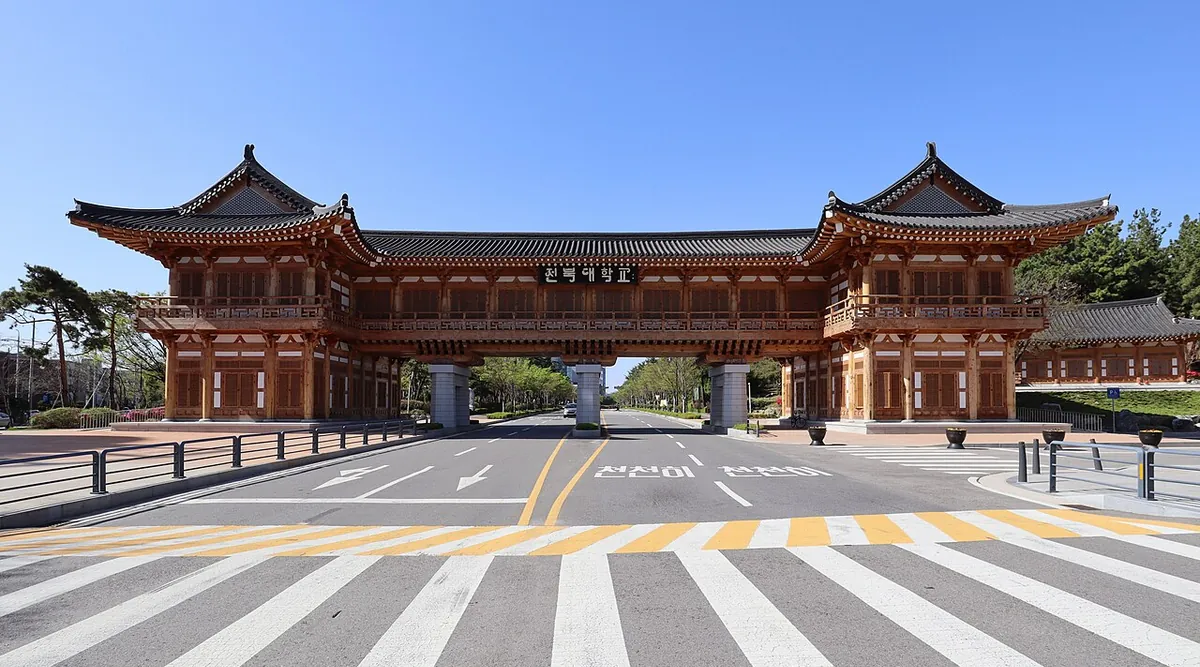 Jeonbuk National University
Jeonju · Public
Ask us
-
 Kangwon National University
Chuncheon · Public
Ask us
-
 Gyeongsang National University
Jinju · Public
Ask us
-
 Jeju National University
Jeju City · Public
Ask us
-
 Pukyong National University
Busan · Public
Ask us
-
 Incheon National University
Incheon · Public
Ask us
-
 Seoul National University of Science and Technology
Seoul · Public
Ask us
-
 Hanbat National University
Daejeon · Public
Ask us
-
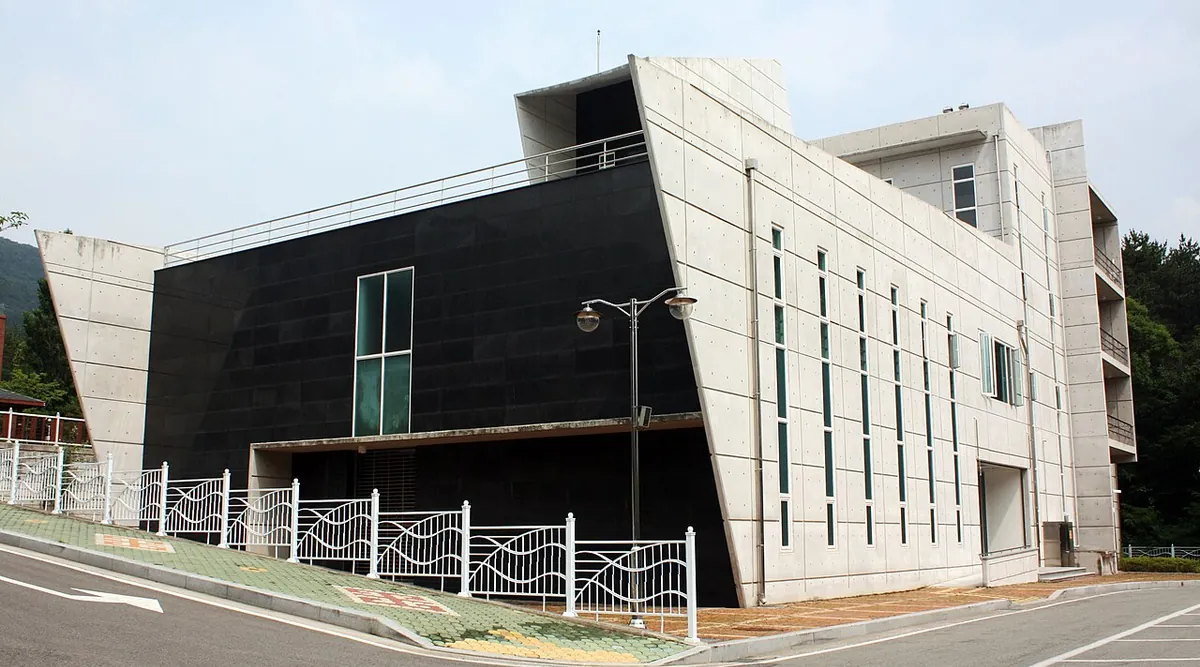 Changwon National University
Changwon · Public
Ask us
-
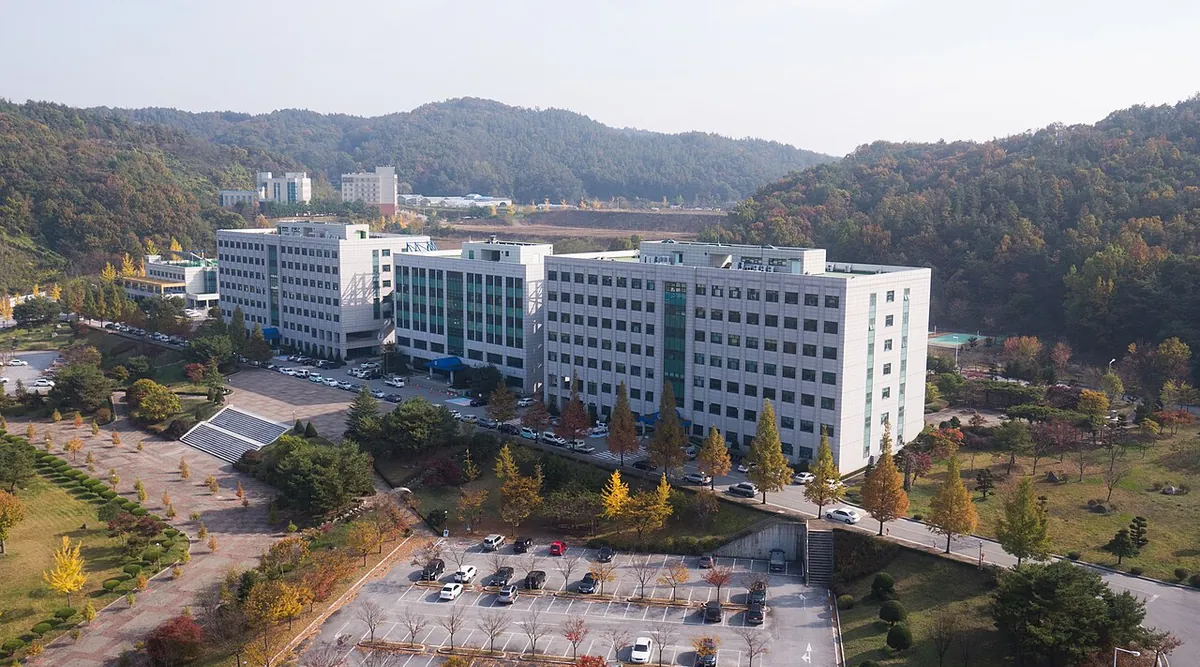 Kongju National University
Gongju · Public
Ask us
- Kunsan National University Gunsan · Public Ask us
- Mokpo National University Muan · Public Ask us
-
 Sunchon National University
Suncheon · Public
Ask us
Indicative annual tuition. We confirm current fees.
Good to know South Korea
Study levels
- Bachelor’s
- Master’s
- PhD
Where students often study
- Engineering
- Computing & IT
- Natural Sciences
- Business & Management
- Korean language
One-time first-year costs
Ask usENEnglish
Korean-taught programs usually ask for TOPIK; English-taught programs ask for English proof such as IELTS.
VISAStudent visa
D-2 student visa for degree study, after admission
iGood to know
Degree students usually study on a D-2 student visa after receiving admission. Language and visa rules change, so we check the current requirements for your university before you apply.
Visa & work rules
Last checked 2026-11-14-
Study in Korea (NIIED)
The official Study in Korea website is run by the National Institute for International Education (NIIED) for the Korean government.
Official source (www.studyinkorea.go.kr) -
Global Korea Scholarship
The GKS is the Korean government scholarship for international students. Calls open once a year and places are limited.
Official source (www.studyinkorea.go.kr) -
Language requirements
Korean-taught programs usually ask for a TOPIK level; English-taught programs ask for proof of English instead.
Official source (www.studyinkorea.go.kr)
Time there
- Dhaka
- Seoul 3 h ahead of Dhaka

Six steps to South Korea
-
Initial consultation
We listen first — your goals, background, budget and concerns.
-
Profile assessment
An honest review of your academics, documents and options.
-
University & program selection
A shortlist that fits your profile, budget and career direction.
-
Application & admission
Complete, accurate applications and follow-up until you receive an offer.
-
Visa guidance & processing
A properly documented visa file, prepared to official requirements.
-
Pre-departure preparation
What to carry, what to expect, and how to settle in with confidence.
Universities and authorities make admission and visa decisions.
From first call to first class.
-
Week 0-2
Consultation and shortlist
We look at your results, budget and goals, then shortlist programs with listed fees.
Papers for this stage: Certificates, transcripts, passport if you have it
-
Week 2-4
Applications
We prepare and check every application before it goes to the university.
Papers for this stage: Scans of certificates, English result, statement of purpose
-
Week 4-8
Offer letter
The university decides. When an offer arrives, we read the conditions with you.
Papers for this stage: Offer letter, deposit receipt if asked
-
Week 8-14
Student visa
We help you apply with complete papers. The decision is made by the authorities.
Papers for this stage: Passport, photos, medical report, bank statement, offer letter
-
Week 14-16
Before you fly
Flights, accommodation and a pre-departure briefing so you know what to expect on arrival.
Papers for this stage: Visa approval, tickets, originals of all documents
Typical ranges for planning, owner to confirm; last checked 2026-11-08. Your own dates depend on the intake and the university.
Is South Korea for you?
 Compare with Malaysia